
Air Duct Cleaning vs. Duct Sanitizing: What’s the Difference & Do You Need Both?
Category: Air Duct Cleaning
 If the air in your home doesn’t smell fresh or your allergies spike after a rainy week, you may be deciding between basic cleaning and deeper sanitizing. Here in Vero Beach’s warm, humid climate, dust, dander, and microbes can thrive inside HVAC systems. Below, we break down how air duct cleaning and duct sanitizing work, when each is recommended, and how they fit together for healthier indoor air. If you already know you need help, schedule trusted air duct cleaning in Vero Beach with Star Quality Air Conditioning, Inc. today.
What Is Air Duct Cleaning?
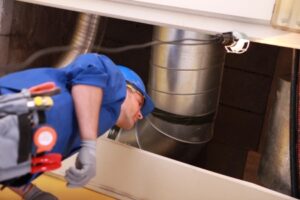
Air duct cleaning is the physical removal of built-up debris from your supply and return ducts and components like the blower and coil housing. Pros use negative air machines, HEPA vacuums, and rotating brushes to capture and remove the dust, lint, and loose particulate that clog airflow and circulate around your home.
Think of it like washing the dishes. You first scrape and wash away the food bits. In duct systems, that “scrape and wash” step is the cleaning that removes what you can see and what your filter missed.
What Is Duct Sanitizing?
Duct sanitizing targets the microscopic organisms that may remain after cleaning. Technicians apply an EPA-labeled disinfectant or sanitizer to the interior surfaces of the duct system to reduce bacteria, certain viruses, and mold on contact. Delivery methods vary, but the goal is the same: lower the microbial load on surfaces so your freshly cleaned system stays fresher longer.
Sanitizing is often applied as a fine mist throughout the duct system with specialized equipment so it contacts as much internal surface area as possible. The chemistry and dwell time matter, and the home is ventilated appropriately during and after the application.
Air Duct Cleaning vs. Duct Sanitizing: Key Differences
- Purpose: cleaning removes physical debris; sanitizing reduces microbes on surfaces.
- Method: cleaning uses agitating brushes and HEPA extraction; sanitizing uses a labeled antimicrobial applied with controlled equipment and dwell time.
- Timing: cleaning comes first. Sanitizing is not a replacement for cleaning and should not be applied to dirty, dust-coated ducts.
- Results: cleaning improves airflow and reduces dust; sanitizing helps curb odors and microbial growth on duct surfaces after cleaning.
Do You Need Both in Vero Beach, FL?
Many homes in Vero Beach, Indian River Shores, and Central Beach benefit from routine cleaning alone, especially if the system is well sealed and filters are changed consistently. You likely need both cleaning and sanitizing if any of the following apply:
- You’ve noticed musty or sour odors at startup, especially after heavy rain or tropical weather.
- There has been a moisture event, a roof leak, or standing water near the air handler or ducts.
- Renovation dust or drywall compound has recently circulated through the home.
- There has been a confirmed microbial issue in the HVAC system.
- Someone in the home is immunocompromised, and your clinician suggests a higher level of surface hygiene.
Homes near the Indian River Lagoon or along the barrier island can see higher indoor humidity, which is why pairing cleaning with targeted sanitizing can make a noticeable difference in comfort and odor control.
Where Antimicrobial Fogging Fits In
You may hear “antimicrobial fogging” used to describe the delivery method for sanitizer. In HVAC work, fogging is a controlled, professional application that disperses a fine mist so it reaches duct surfaces. It should be performed after thorough cleaning and only with products labeled for HVAC use and applied according to instructions.
Fogging can help even out coverage in long runs and transitions where brushes cannot reach every surface. It is not a cure-all and should be part of a complete service that includes inspection, mechanical cleaning, and verification of airflow. Avoid ozone generators in occupied homes because they can create harmful byproducts and do not replace proper cleaning and sanitizing.
Post-Mold Cleanup Steps For Ductwork
After a mold incident, the order of operations matters. Here is how a professional team addresses the HVAC side so growth does not return:
- Source Control: Fix roof leaks, attic penetrations, or condensate problems feeding moisture to ducts. Always treat the moisture source first so the issue does not come back.
- Containment and Protection: Protect living areas while equipment and registers are accessed, then set up negative air where needed.
- Mechanical Cleaning: Use rotary brushes and HEPA extraction to remove contaminated dust from duct surfaces, plenums, and the air handler cabinet where applicable.
- Targeted Sanitizing: Apply an HVAC-labeled sanitizer by mist or fog to reduce microbial counts on cleaned surfaces. Observe dwell time and ventilation guidance.
- Filtration and Follow-Up: Replace filters with the proper MERV rating for your system and verify airflow. Plan a follow-up visit to confirm the problem is resolved.
If you want to learn the early warning signs, this guide on the signs you need duct cleaning is a helpful read and pairs well with the post-mold steps above.
Vero Beach’s rainy season and late-summer storms can push indoor humidity high in a matter of hours. Keep your thermostat’s fan setting on “Auto,” not “On,” so you are not pulling extra moisture across the coil when the compressor is off. This simple habit can help reduce musty odors between professional visits.
What About Odors?
Dusty or stale HVAC odors usually improve with mechanical cleaning, better filtration, and addressing moisture. If a lingering odor remains after cleaning, a post-cleaning sanitizing pass can help. Pairing the duct system with proven add-ons like UV sterilization and high-grade filtration can also keep odors from coming back. To understand how these upgrades work, see how germicidal UV lights and air purifiers support cleaner air in local homes.
Do not rely on fragrance sprays to mask odors. Covering an odor does not address the surfaces or moisture that allow microbes to thrive.
How Often Should Vero Beach Homes Schedule Service?
There is no single timetable because each home is different. Homes near the ocean, with frequent door openings, pets, or recent renovations, may need more frequent attention. As a general guide, many Vero Beach and Gifford households schedule cleaning every few years, with sanitizing added after moisture events or if an odor returns. Your technician will tailor a plan based on how you live in your space and the condition of your system.
Benefits You Can Feel
When ducts are cleaned and, when appropriate, sanitized, you tend to notice a calmer home. Less dust settles on tables. The system runs quieter. Airflow feels smoother in rooms that used to be stuffy. Many customers in South Beach and Vero Lake Estates also tell us they notice fewer musty whiffs at startup after summer thunderstorms. While results vary by home, the combination of cleaning and targeted sanitizing is designed to reduce irritants and keep the system in better shape.
How Cleaning and Sanitizing Work Together
Picture a two-step shield. Cleaning removes the bulk of the material that does not belong in the system. Sanitizing comes behind to reduce what the eye cannot see on the surfaces that air touches. That two-step approach helps keep your filters from loading up too fast and makes follow-up cleanings more efficient. It also sets the stage for supportive upgrades like UV lights or higher-efficiency filtration if your equipment is compatible.
When To Call A Professional Right Away
Call quickly if you notice widespread mold growth on vents, consistent musty odors after the system has run for a while, or visible moisture inside supply ducts. Also, reach out after roof or plumbing leaks that affect ceilings or the attic near ductwork. If anyone in the home has a respiratory condition that worsens indoors, a prompt inspection is the safest choice.
Local Factors Vero Beach Homeowners Should Consider
Our coastal weather is a big reason many residents choose both services. Sea breeze carries fine salt and organic matter. Afternoon downpours and late-summer systems can load the air with moisture. Homes that are closed up while owners travel can develop a stale odor quickly. These are all good reasons to have the system inspected and to combine services when conditions call for it. For a refresher on the basics, our team’s overview of Vero Beach air duct cleaning on the home page explains how regular maintenance supports comfort year-round.
Choosing The Right Team In Vero Beach
Look for a company that inspects before quoting, explains what they will clean, and tells you exactly what product they will use if sanitizing is recommended. Make sure the team protects floors and furnishings, uses HEPA-filtered equipment, and documents the work performed. Finally, ask how they will ventilate the home during and after sanitizer application, and what you should expect once the system is back on.
So, Do You Need Both?
If dust is the only problem, cleaning alone may be enough. If moisture, odor, or a confirmed microbial issue is part of the picture, cleaning plus sanitizing is the smarter plan. Adding UV and filtration upgrades can give you lasting support between appointments, especially in our humid coastal climate.
Ready For Cleaner, Fresher Air?
If you are dealing with stubborn odors, post-leak concerns, or you just want a system refresh before the next stretch of hot, stormy weather, we can help. Book your visit with Star Quality Air Conditioning, Inc. for expert air duct cleaning in Vero Beach, and we will advise you on whether sanitizing should be part of the same appointment. Call us at 772-299-4113 to get started.