

Palm Bay Duct Cleaning: Why Your Dryer Takes Two Cycles and What to Check Before It Becomes a Fire Risk
Category: Air Duct Cleaning
If your dryer in Palm Bay needs two cycles to get towels dry, that’s not just annoying. It can be a 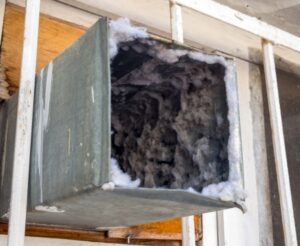 warning that hot air isn’t escaping, lint is building up, and the risk of a lint-fueled fire is rising. Homeowners who search for “dryer vent cleaning near me” are often dealing with the same hidden bottlenecks. As part of our Palm Bay Duct Cleaning expertise, Star Quality Air Conditioning Inc. helps local families fix airflow issues before they turn into safety problems.
The fastest path to safer drying is a proper evaluation. When you schedule professional dryer vent cleaning, a trained technician follows the heat and moisture trail from the drum to the exterior, finds restrictions, and restores proper airflow. Below, you’ll learn what pros check, why two cycles are a red flag on the Space Coast, and the signs that mean it’s time to book service.
Why Two Cycles is a Red Flag in Palm Bay Homes
In our coastal climate, warm humidity makes lint clump and stick to duct walls. Add salt air, storm debris, and seasonal winds that push sand and leaves across roofs, and your exterior termination can clog faster than you’d expect. When the vent is restricted, moisture lingers in the drum, and clothes take longer to dry. That extra time overheats the appliance and wastes energy.
Neighborhoods from Port Malabar and Lockmar Estates to the Turkey Creek area all see the same pattern as summer storms roll through: more debris outdoors, more moisture indoors, and more lint bonding inside the duct. If your laundry room feels unusually warm after a load, or you notice a musty odor near the dryer, your system needs attention right away.
What Professionals Check Before it Becomes a Fire Risk
1) The Full Airflow Path, End-to-End
Your technician confirms that heated, moist air can move freely from the dryer outlet to the exterior termination. They look for internal lint mats that grab more fibers with every cycle. Even a thin layer inside the duct can multiply dry time by choking airflow. If your dryer seems fine when vented indoors but slows once reconnected to the duct, a restriction in the run is likely.
2) Transition Hose, Length, and Kinks
Behind the dryer, the flexible transition can get crushed when the appliance is pushed back into place, especially in tight laundry closets. Extra bends, sagging loops, or long runs make hot air lose speed and drop moisture. A pro checks that the hose is the right type and shape for the space and confirms a smooth, direct path into the rigid duct.
3) Roof Vent Clogs and Damaged Caps
Many Palm Bay homes exhaust through the roof. Storms can warp the termination cap, and screens can catch lint until the passage narrows to a slit. Birds sometimes nest in quiet seasons, creating total blockages. Pros inspect the rooftop termination for stuck flappers, missing pest guards, and roof vent clogs that trap heat and moisture inside the line.
4) Warning Signs of Dryer Overheating
When exhaust can’t escape, the machine runs hotter, and components work harder. A trained tech checks for scorch marks, heat discoloration, or melted transition fittings and listens for unusual cycling as the thermostat tries to protect the unit. If you notice a burning smell during a load, that’s a stop-what-you’re-doing signal to unplug the dryer and schedule service.
5) Moisture and Mold Concerns Around the Vent Path
Persistent moisture can show up as condensation stains near the vent path or a musty odor at registers close to the laundry room. In a humid area like ours, trapped moisture can encourage growth on nearby surfaces. If a pro suspects broader issues, they’ll recommend addressing the source and, if needed, evaluation for Palm Bay Mold Removal to protect indoor air.
How A Pro Dryer Vent Cleaning Solves the Two-Cycle Problem
Once your technician maps the vent run and identifies restrictions, they use industry tools to agitate and remove lint from the entire length, not just the first few feet. The process is designed to lift packed lint without tearing the duct, then capture debris so it doesn’t drift into your home. They also verify that the termination opens freely and that the transition is installed correctly.
After cleaning, airflow returns and moisture escapes as it should. Clothes dry evenly, heat stress drops, and your appliance operates within its intended temperature range. Many homeowners notice that towels feel lighter out of the dryer and that laundry day runs on a normal schedule again.
Local Factors That Speed Up Lint Buildup
- High humidity makes lint clump and stick inside ducts.
- Storm season debris that lodges in roof caps and exterior terminations.
- Salt air that accelerates wear on flappers and screens.
- Long rooftop runs in multi-story homes that reduce exhaust speed.
Because of these conditions, many Palm Bay homeowners see dry times creep up faster than friends and family in drier climates. If your household does multiple loads back-to-back or washes heavy items like beach towels and bedding, your vent will accumulate buildup even more quickly.
Coastal winds can flip or stick a rooftop flapper so it never fully opens. That hidden restriction forces the dryer to run hotter. A quick pro inspection after major storms helps prevent repeat clogs and extends the life of your dryer.
The Signs That Mean “Schedule Service Now”
You don’t need to take anything apart to spot trouble. Watch for changes in the way the room and machine feel during normal use.
- The dryer or laundry room feels hotter than usual after a load.
- Clothes come out damp at the end of the cycle or need a second run.
- Lint is collecting around the dryer door gasket or at the exterior hood.
- Moisture on nearby walls or a musty odor near the laundry area.
- Dryer overheating warnings on your display or a hot-to-the-touch top panel.
If these sound familiar, it’s time to bring in a pro. For a deeper dive on timing, see our homeowner guide on how often to clean dryer vents in Vero Beach and use those intervals as your safety baseline.
Why This Matters for Safety and Everyday Comfort
Lint is light, fluffy, and easy to ignite. When it accumulates inside a hot duct, it turns into a fuse. Reducing that fuel load protects your home and keeps the dryer within normal operating temps. Clean vents also protect internal components, so you spend less time waiting on cycles and more time living your life.
There’s another bonus: better airflow is good for indoor comfort. When hot, moist air leaves the house efficiently, your AC doesn’t have to battle leftover humidity after laundry day. Over time, that can help your system work more smoothly through our long summers.
When to Book a Service in Palm Bay
Households that run the dryer several times a week, have pets, or wash bulky items often need more frequent service than the national average. If you’ve noticed rising dry times or a stubborn restriction at the roof, don’t wait. Getting on the calendar for Vero Beach dryer vent cleaning now can prevent a surprise outage right before guests arrive or during a rainy stretch when laundry piles up.
What to Expect When You Call Star Quality Air Conditioning Inc.
We start with questions about symptoms, the age of your appliance, and where the vent terminates. Then we perform a full-path inspection to locate bottlenecks, remove lint with professional equipment, confirm the termination works, and recheck airflow. Before we leave, we share what we found and set a reminder cadence that fits your home’s usage and layout.
If you’re balancing work, school, and beach days, you’ll appreciate that we keep the visit focused and tidy. Our goal is to help you avoid second cycles, protect your home, and make laundry day feel simple again.
Don’t wait until a clogged vent becomes a hazard. Call 772-299-4113 to schedule service with Star Quality Air Conditioning Inc. today and get your dryer back to one-and-done cycles.