

Fort Pierce Duct Sealing: How to Stop Attic Heat and Humidity Leaks in Historic Homes
Category: Duct Sealing
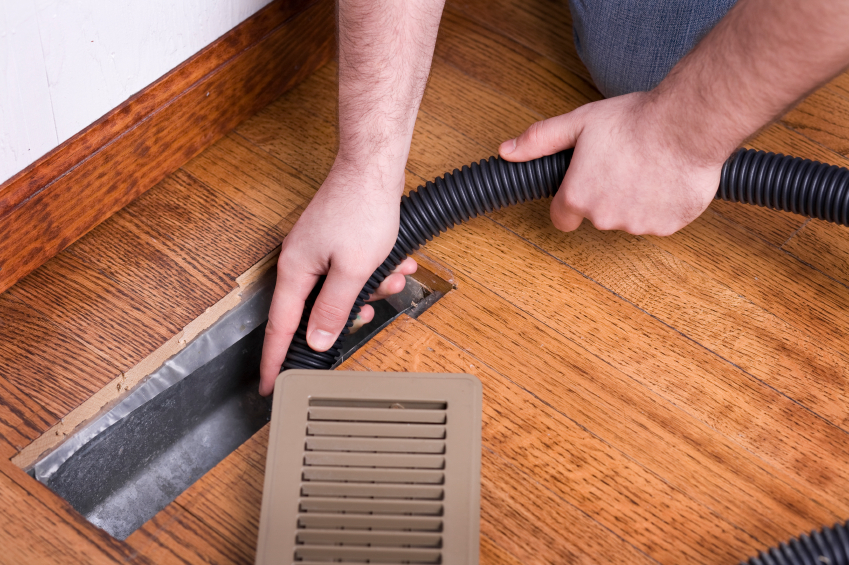
In many historic Fort Pierce homes, small gaps around return ducts act like straws, pulling superheated attic air into your system. When that attic air climbs toward 130°F with coastal humidity, comfort drops fast. If you suspect leaks, schedule professional duct sealing in vero beach with Star Quality Duct Cleaning and keep your conditioned air where it belongs.
Why Older Fort Pierce Homes Suffer From Duct Leaks
Homes near South Beach and inside the Edgartown historic area were built long before today’s air-tight standards. Many have pieced-together returns, flex-to-metal transitions, and closet air handlers that create negative pressure. That pressure draws hot, humid attic air through loose collars and aging seals, which raises indoor humidity, strains your AC, and stirs up dust from the attic.
Salt-laden coastal air and daily summer storms also age sealants. Over time, materials around the air handler plenum and branch takeoffs dry out, loosen, or separate. The result is comfort issues that feel like a weak AC even when the equipment is fine.
How Return-Side Leaks Pull Attic Heat and Moisture Indoors
Return ducts should carry only indoor air back to your air handler. When return joints leak in the attic, the blower pulls in attic air instead. That hot, wet air mixes into your system, forcing longer run times and leaving rooms sticky.
- Rooms far from the air handler feel warmer with poor airflow.
- Indoor humidity climbs, even though your thermostat setting stays the same.
- Dust lines appear on insulation or drywall near leaky returns.
Return-side leaks are the fastest way for attic heat and humidity to enter your home. Sealing those leaks restores balanced airflow so your cooling cycle actually dries the air again.
What Failing Seals Look Like Around the Plenum
Most leaks hide in plain sight at the air handler plenum and flex duct collars. Here is how to spot common failure patterns without opening anything up:
Mastic Sealant Degradation
Mastic is a paste-like sealant brushed over seams. With age and heat, old coats can dry and crack.
- Spiderweb cracks or a chalky look along a metal-to-metal seam.
- Pinholes across the surface or a brittle “flaking” edge where the coating thins.
- Dark dust tracks on the mastic line showing air has been pulling particles through.
If you see extensive cracking at a return joint, the seal isn’t doing its job anymore.
Foil Tape Failures
Foil tape can be effective on clean, accessible seams, but attic conditions are tough. Watch for:
Edges curling up into small “fishmouths,” adhesive that feels gummy, or tape that has slid on a warm plenum. Dust collecting along lifted edges is a sign air is sneaking through. On flex duct collars, look for loose bands and tape that no longer lies flat around the entire circumference.
Flex Duct Connections: Small Gaps, Big Problems
In Fort Pierce attics, flex-to-plenum connections are a notorious weak point. Older collars may be undersized or missing a tight mechanical band. When that joint loosens, the return will pull attic air in and the supply can blow conditioned air out. Either way, rooms run hotter and wetter than they should.
Even a tiny gap at a flex collar can undo a lot of your cooling effort.
Local tip: Attics over coastal cottages near South Beach can run extreme temperatures on still afternoons. If your system seems “okay” in the morning but struggles after lunch, leakage at the return may be adding heat and moisture right when the attic peaks.
How Professionals Diagnose Duct Leakage
To separate airflow issues from equipment problems, a qualified technician uses pressure-based tests and visual confirmation. In a typical visit, your technician will:
Measure system pressures, check temperature split, and examine the plenum and collars for dust streaks, lifted tape, and mastic cracks. They may use harmless smoke or other indicators to reveal active leaks. This evidence tells you where the system is losing air and how much performance is on the table if those joints are sealed and secured.
When leaks are verified, a proper repair includes cleaning the surface, securing mechanical connections, and sealing seams with durable materials designed for Florida attics. The goal is a tight return path and supply path so your system can remove humidity as designed.
Historic Homes: Details That Matter in Edgartown and Near the Inlet
Many older cottages and bungalows around Edgartown and the Fort Pierce Inlet were retrofitted as central AC became common. That often means longer return runs in hot attic spaces, tight mechanical closets, and a mix of old and new duct materials. Your technician will pay extra attention to:
- Metal plenums added to older air handlers where mastic may be thin or brittle.
- Flex collars over older sheet metal rings that no longer hold a uniform seal.
- Closet returns that create strong negative pressure and pull from the attic through small openings.
These homes can be very comfortable. The key is protecting the return path from attic air and tightening the supply so each room gets the air it was promised.
Comfort You Can Feel After Professional Sealing
Once leaks are sealed and connections secured, homeowners usually notice steadier temperatures, drier air, and quieter operation. Bedrooms cool evenly again and that sticky feeling fades. Air that once leaked into your attic now reaches the rooms that need it, which also helps keep dust levels down.
Pairing sealed ducts with routine air duct cleaning maintains airflow and reduces recirculated debris. If your laundry room runs hot, tightening ducts and scheduling dryer vent cleaning can also improve overall airflow in the home.
When To Call For Help In Fort Pierce
Call a pro if you notice lifted foil tape around the plenum, visible mastic cracks, or rooms that never cool after noon. Homes near the beach feel these issues faster because salt and moisture stress seals. If your AC “runs and runs” but your indoor air stays clammy, it’s time for a leak check.
For a durable fix, book expert duct sealing in vero beach. A trained technician from Star Quality Duct Cleaning will evaluate your system and explain the exact steps to restore a tight duct system without guesswork.
A Simple Plan For Fort Pierce Homeowners
Here is a practical way to move forward without trial and error:
- Document the symptoms. Note rooms that lag and any visible lifted tape or mastic cracks at the plenum.
- Schedule a professional inspection and pressure-based test so you know where the system is leaking.
- Authorize sealing and securing of problem joints to protect the return path from attic air.
As your reference, you can always start from our fort pierce duct sealing hub to learn how Star Quality Duct Cleaning approaches comfort issues in Florida’s climate.
Ready To Keep Attic Heat Out Of Your Home?
Stop paying to cool the attic. If your Fort Pierce home shows any of the signs above, our indoor air quality specialists are ready to help. Call Star Quality Duct Cleaning at 772-299-4113 and we will secure your duct connections the right way so your AC can do its best work.
Prefer to start online? Book a visit and we will confirm the scope, timeline, and next steps. Your home will feel cooler, drier, and more even when the ductwork is tight and the return path is protected from attic air.